4.8/5 Stars (700+ Online Reviews)


TL;DR
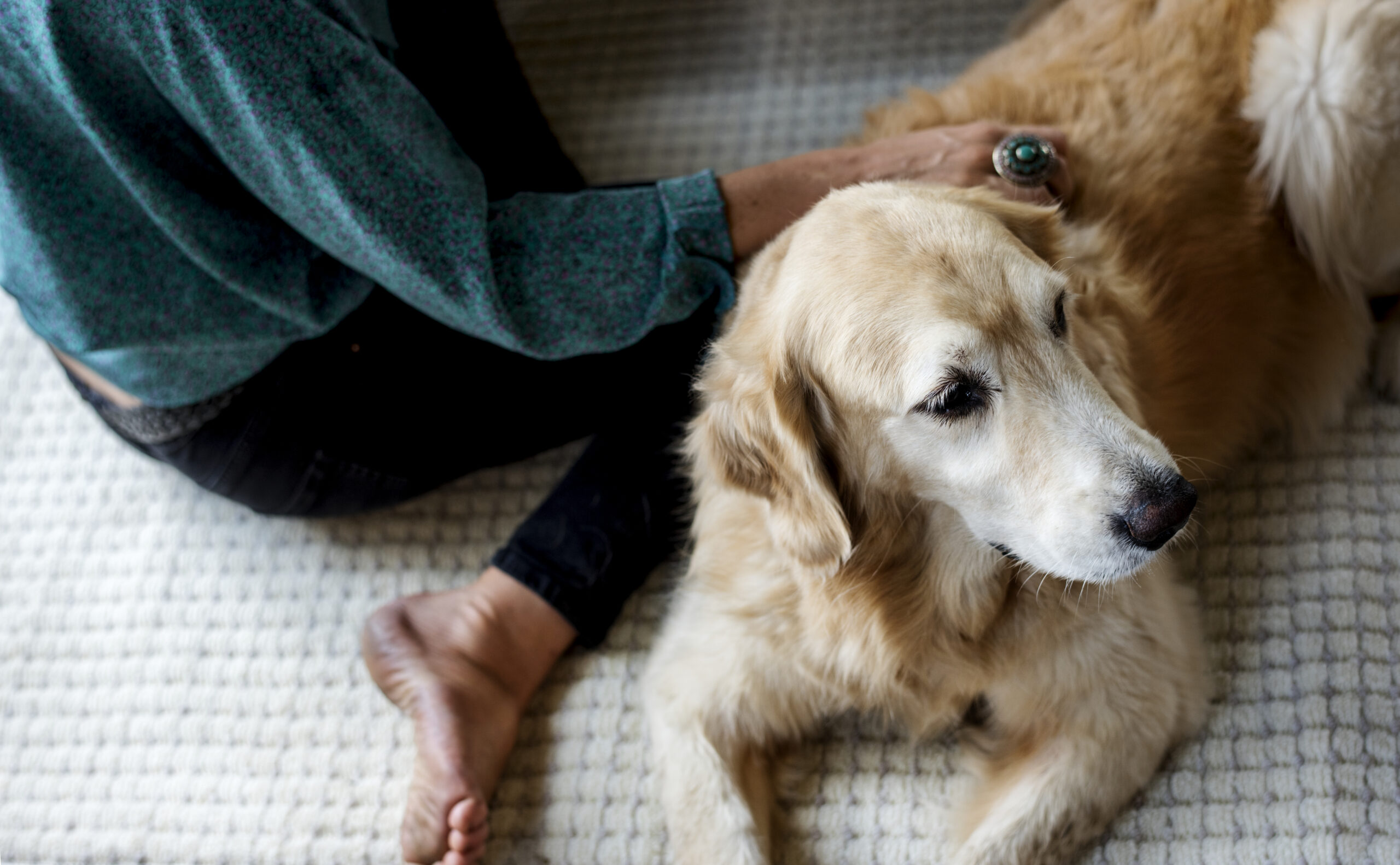
Arthritis is one of the most common causes of joint pain and loss of mobility in older dogs, but catching it early can slow its progression and improve your dog’s quality of life. Watch for subtle changes like stiffness after rest, reluctance to jump or climb, and limping or shifting weight when sitting or standing.
At home, focus on three pillars when you notice that your dog has some or all of those changes:
- Protect the joints with ramps, non-slip flooring, and orthopedic bedding.
- Preserve muscle and manage weight through short, consistent walks or hydrotherapy (ask your veterinarian for referral to a provider), plus a calorie-controlled diet that still allows satisfying portions.
- Support joint health with omega-3 fatty acids, quality joint supplements, and, when needed, prescription pain relief from your vet.
The earlier you start, the easier it is to prevent the cascading effect where less movement leads to muscle loss, joint instability, and reduced joy in daily life.
The Snowball Effect Vets Want You to Avoid
Veterinarians often caution that arthritis isn’t just about arthritis pain in your dog’s joints. It’s about what happens next.
When the activity level decreases because a dog feels discomfort, muscle mass decreases, which further destabilizes already compromised joints.
Recognize the Early Signs of Arthritis
Common symptoms of arthritis include:
- Stiffness after rest: dogs hesitate to stand up, stretch their legs or appear stiff-legged when they first walk.
- Difficulty jumping or climbing: they refuse to get on the sofa or into the car.Behavioral changes: irritability, licking joints or urinating indoors may indicate discomfort.
- Changes in weight distribution: Some dogs shift their weight off painful limbs or develop a ‘lazy sit.’
- Loss of range of motion in one or more joints is also common, especially in senior dogs who have had untreated osteoarthritis for years.
Regular care with your dog’s veterinarian, and good communication about your observations is important to determine the cause and develop an effective treatment plan.Arthritis is progressive, so proactive care is essential.
Why a Vet Should Still Be Part of Your Plan
It’s easy to find a lot of canine arthritis information online – some may have value, but may also conflict. You’ll find tips from mainstream veterinarians, rehab specialists, canine nutritionists, and integrative practitioners who offer acupuncture or herbal remedies.
Your dog’s veterinarian can act as the “project manager” for its ongoing arthritis care. Your DVM will make sure each piece of the plan works together, not against each other. Without that oversight, it’s surprisingly common for dogs to end up on overlapping supplements, unsafe doses, or routines that may cause more harm than good.
Because arthritis management is multifaceted, university teaching hospitals like Colorado State and Cornell recommend a multimodal approach: keep your dog lean, choose the right type and amount of exercise, consider nutraceuticals, and add pain medication when needed.
A trusted vet can help you balance these pieces, track progress, and avoid wasting time or money on things that don’t actually help.
Make Your Home Friendly for Arthritic Dogs
Provide Supportive Bedding
Orthopedic or memory‑foam dog beds cushion pressure points and make it easier for dogs to rest as well as rise. Place beds where your dog naturally likes to rest. If you have multiple floors, give them one on each level to reduce extra trips.
Improve Traction
Slippery floors can make every step harder for a dog with arthritis and increase the risk of falls. Adding area rugs, carpet runners, or yoga mats along your dog’s main walking paths can make a big difference in their comfort and stability.
Trimming nails and the fur between paw pads also improves grip. Start with these changes before investing in products like toe-grip bands or paw sprays, because dogs often dislike things that are attached to their feet.
Use Ramps and Pet Stairs
Jumping down from a bed or out of a car puts extra force on arthritic joints. Gentle‑incline ramps with non‑slip surfaces help dogs reach beds or cars. Train your dog gradually and consider using a harness or sling for support.
Keep Weight Under Control and Encourage Low‑Impact Exercise
Weight Management
Excess weight is a major contributor to a dog’s arthritis pain. Keeping your dog at a healthy weight is the single most important step for overall health and pain reduction.
Over half of dogs in the U.S. are overweight, and obesity increases pressure on arthritic joints. In some cases, gradual weight loss supervised by your vet can ease pressure on your dog’s joints without sacrificing nutrition.
Pro tips:
- Avoid overfeeding during the winter when activity often decreases.
- Swapping some kibble for low-calorie vegetables like green beans or zucchini can help maintain portion size without the extra calories.
Consistent, Low‑Impact Exercise/Move
Consistency matters more than intensity. Two or three short walks a day keep joints moving without overdoing it. If they enjoy water, swimming or hydrotherapy is an excellent low-impact workout year-round.
Food, Supplements, Medications
A diet rich in omega-3 fatty acids (from fish oil or green-lipped mussel) can act as a natural anti-inflammatory to help reduce arthritis pain.
Joint supplements like glucosamine, chondroitin, and MSM can slow cartilage breakdown and improve joint health. Quality and dosing matter, so ask your vet which brands they recommend.
If lifestyle changes aren’t enough, your vet might recommend:
- NSAIDs (e.g., carprofen, grapiprant)
- Adequan® injections to help protect cartilage
- Pain management drugs like gabapentin for extra relief
Helpful habit: Keep a simple supplement and medication log alongside your mobility diary so you can see what’s really making a difference.
Cold Weather Adjustments
Winter can make arthritis worse, not just because of the cold, but because dogs often move less.
- Keep them warm with a coat or sweater if they have a thin coat
- Use pet-safe heated beds for nighttime comfort
- Swap long outdoor walks for shorter, more frequent ones and add indoor games to keep them moving
When It’s Time to Re-Evaluate
Even with the best care, arthritis can progress. If your dog starts falling, avoids using a leg, loses interest in walks, or seems withdrawn or exhibits other behavioral changes, it’s time to check in with your vet.
This is the cascading effect in action, when mobility loss leads to more instability, less activity, and reduced quality of life.
Your vet may recommend adjusting pain relief medications, adding rehab therapies, or exploring alternative treatments like acupuncture. In some cases, they’ll help guide you through quality-of-life assessments so you can make the kindest decision when the time comes.
Frequently Asked Questions
What is osteoarthritis in dogs?
Osteoarthritis, also called degenerative joint disease, is the most common cause of dog arthritis pain in older dogs. It happens when the cartilage that cushions your dog’s joints wears down over time. Without that smooth layer, the bones rub together, causing inflammation, stiffness, and a reduced range of motion.
Osteoarthritis can affect any joint, but it’s most common in hips, knees, elbows, and spine. While it can’t be cured, your DVM can recommend a plan that combines pain management, physical therapy, and lifestyle changes to slow progression and keep them comfortable.
Can diet alone manage arthritis?
Diet is a cornerstone but rarely sufficient by itself. A calorie‑controlled diet with omega‑3s helps reduce inflammation, and supplements like glucosamine and chondroitin can support joint health. However, most dogs need a combination of diet, exercise and sometimes medication.
Can arthritis cause depression in dogs?
Chronic pain and reduced mobility can make some dogs withdrawn or less engaged. Preserving movement and mealtime enjoyment are important for quality of life.
Can a dog with arthritis live a pain-free life?
While most dogs with arthritis won’t be completely pain-free all the time, many can enjoy a comfortable, active life with the right pet health plan. Your DVM may recommend a combination of prescription medications, joint supplements, weight control, and regular exercise tailored to your dog’s needs. Gentle activities like short walks or swimming help maintain muscle strength and joint flexibility without overstraining the joints.